 Arlington Restoration Group
What Mold Testing and Sampling Involves
Mold testing and sampling means collecting a physical sample — air, surface, or bulk material — from a property and sending it to an independent laboratory for analysis. It's a more specific tool than a visual inspection: where an inspection tells you whether there's a problem and roughly where, sampling can tell you more about what's present and, for air samples, help compare conditions inside the property to a baseline.
When Testing Is Worth Doing — and When It Isn't
Testing tends to add the most value when you need documentation for an insurance claim, a real estate transaction, or a legal matter; when there's a persistent musty odor with no visible source and you want to know whether elevated spore levels are present in the air; or when you want a baseline reading before remediation to compare against results afterward. If visible growth is already confirmed, its extent is clear, and you simply intend to remediate it, testing typically isn't a required step — a technician can advise whether it would add useful information for your specific situation before you pay for it.
Types of Samples
Air samples are collected using a calibrated air pump that draws a measured volume of air through a collection device, capturing spores present in that volume of air. They're typically taken both inside the area of concern and at an outdoor or unaffected "control" location for comparison. Surface samples are collected from a visibly affected surface using a swab, tape lift, or similar method, to identify what's growing there. Bulk samples involve submitting a small physical piece of material — a section of drywall or insulation, for example — for lab analysis.
How Samples Are Collected
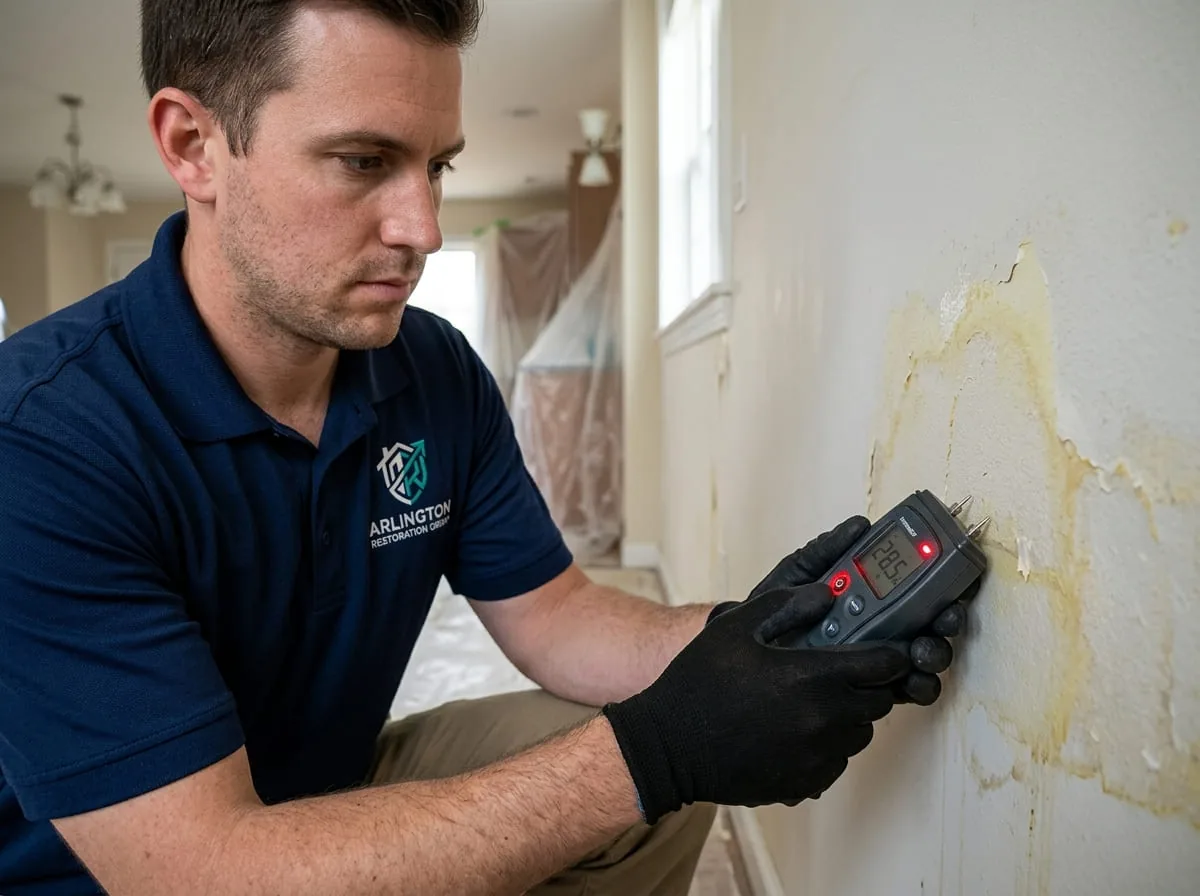
Samples are typically collected by a technician following the sampling equipment's standard operating procedure and sample-handling practices — noting the location, date, and, for air samples, the volume of air pulled — so results can be properly labeled and interpreted. Chain-of-custody documentation is common, particularly when results may be used for insurance or legal purposes.
Lab Analysis and Turnaround
Samples are sent to an independent, third-party laboratory rather than analyzed by the party who collected them, which supports the reliability of the result. Turnaround time depends on the lab and the type of analysis requested — some labs offer expedited processing for an additional fee, while standard processing generally takes a few business days. Ask about expected turnaround when a sample is collected if timing matters for your situation.
Interpreting Results
Lab reports typically list the types and relative amounts of mold spores or structures found in each sample, often alongside the outdoor or control sample for comparison. Interpreting results is usually most useful in the context of what an inspection already found — for example, whether an indoor sample shows spore types or amounts clearly elevated relative to the outdoor control, which can support a determination that an indoor source is present. There's no single universal number that applies to every property or situation; interpretation should account for the specific building, sample locations, and inspection findings together. A technician or the analyzing lab can help explain what a specific report means for your case.
Testing for Insurance, Legal, and Real Estate Purposes
Documented, lab-analyzed sampling results are commonly requested for insurance claims involving mold, for real estate transactions where a buyer or seller wants documentation of conditions, and occasionally in legal or lease disputes between tenants and property owners. If you know your results will be used for one of these purposes, mention that up front so sampling and documentation practices match what will be needed.
Choosing Between Air, Surface, and Bulk Sampling
Which sample type makes sense depends on the question you're trying to answer. Air sampling is generally used when you want to know whether spore levels indoors differ meaningfully from outdoor conditions, which is useful when there's an odor with no visible source. Surface sampling is more direct when you already have visible growth and want to identify what it is. Bulk sampling comes up less often, typically when a piece of material needs closer laboratory analysis than a swab or tape lift would provide. A technician can usually recommend which combination fits your situation rather than defaulting to every type available.
How Many Samples Are Typically Needed
The right number depends on the property and the question being answered. A single suspect area might call for one indoor sample and one outdoor control sample for comparison. A larger property, a multi-room concern, or a commercial building with several potentially affected areas may call for multiple samples across different locations, so results can be compared room to room rather than treating the whole property as one data point. There's no fixed number that applies to every job — it's scoped to the specific property during the inspection.
Before Sampling: What to Expect
You may be asked to close windows and doors and turn off fans or HVAC systems in the area to be sampled for a period beforehand, since airflow can affect an air sample's result. Avoid cleaning the area or using aerosol sprays right before sampling. If sampling is being done for comparison against an outdoor control, weather conditions on the day of sampling can be a relevant factor.
Related Services
See mold inspection for the assessment that typically comes first, post-remediation verification and clearance for testing performed after remediation, and mold after water damage if a past leak or flood prompted the concern. The mold remediation overview covers the full range of services.
Frequently Asked Questions
Is mold testing always necessary before remediation?
No. If visible growth is already confirmed and its extent is reasonably clear, remediation can often proceed without a separate testing step. Testing adds the most value when there's no visible source, or when documentation is needed.
How accurate is mold air sampling?
Air sampling is a widely used tool, but it reflects a snapshot of conditions at the specific time and location it was collected. It's generally most useful when interpreted alongside inspection findings rather than viewed as a stand-alone answer.
Who analyzes the samples?
Samples are sent to an independent, third-party laboratory rather than analyzed by the technician who collected them, which supports the reliability of the results.
How long do lab results take?
It depends on the lab and the analysis requested. Standard processing generally takes a few business days, and some labs offer expedited turnaround for an additional fee.
Can I use test results for an insurance claim?
Yes, documented, lab-analyzed results are commonly used to support mold-related insurance claims. Insurance claim assistance is available through the restoration professionals handling the work.